
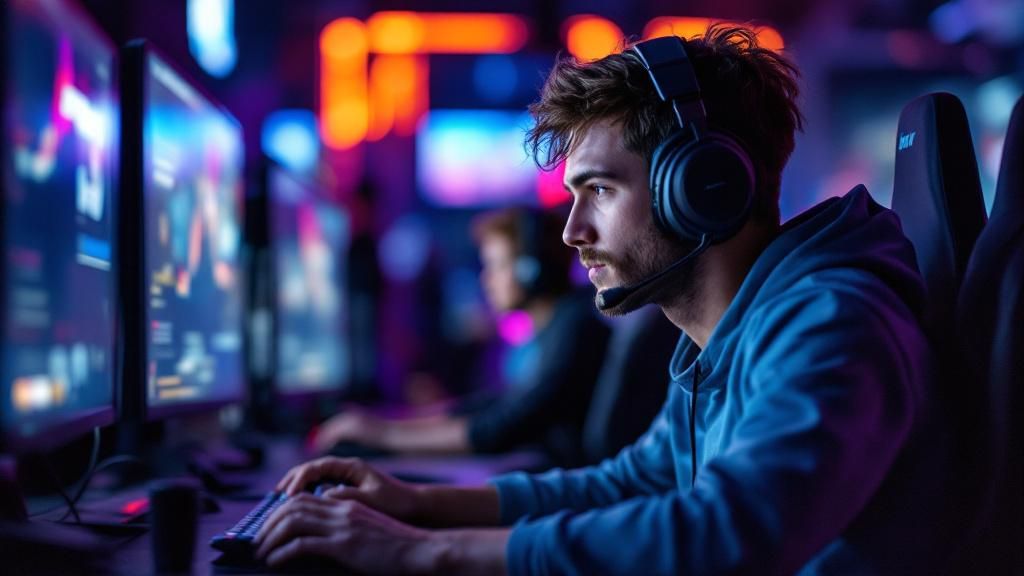
The dynamic esports industry has undergone a significant transformation, with professional teams now acknowledging mental health as essential to player performance and wellbeing. Gone are the days when organisations concentrated exclusively on gaming prowess; modern leading esports franchises commit significant funding towards psychological support, counselling services, and wellness programmes. This article examines how top-tier teams are championing mental health initiatives, the challenges players face, and why this shift represents a fundamental evolution in professional gaming culture.
The Growing Importance of Mental Wellbeing in Competitive Gaming
The competitive esports landscape has experienced a significant shift in the past few years, with mental health emerging as a essential element of player development and team success. Professional organisations now acknowledge that mental toughness is equally important as technical ability and tactical understanding. This acknowledgement arises from growing research that psychological health significantly impacts results, reliability, and career sustainability within the industry. As competitive pressure grows and prize money increases, competitors encounter unprecedented pressure, making comprehensive psychological assistance an vital priority rather than an supplementary consideration for organisations seeking success.
The shift towards prioritising mental health reflects a broader maturation of esports as a recognised sporting discipline. Major franchises have commenced deploying extensive wellbeing initiatives that address stress management, exhaustion mitigation, and emotional resilience. These measures acknowledge the distinctive mental challenges of elite-level gaming, including lengthy training commitments, public scrutiny, and the ongoing drive of excellence. By establishing nurturing cultures and offering specialised mental health services, leading teams demonstrate their dedication to athlete wellbeing whilst simultaneously enhancing their competitive advantage through improved focus, decision-making, and total performance outcomes.
Thorough Mental Wellbeing Initiatives in Leading Organisations
Leading esports entities have implemented multifaceted mental health frameworks that surpass fundamental wellbeing programmes. These extensive schemes integrate expert therapeutic support, stress management training, and peer support systems designed explicitly for the unique pressures of professional esports. Teams understand that long-term success requires emotional strength combined with technical skill, spurring commitment to focused wellbeing resources that compares with traditional sports organisations.
Expert Counselling and Therapy Support
Elite esports organisations now recruit accredited psychological specialists and sports psychologists who specialise in athlete wellbeing and competitive psychology. These specialists collaborate closely with players to address stress, low mood, exhaustion, and the psychological toll of intense competitive environments. Consistent individual meetings offer confidential support, helping players to establish mental frameworks and preserve psychological balance throughout demanding competitive seasons.
Furthermore, many organisations offer access to specialised treatment methods such as cognitive-behavioural therapy and mindfulness interventions. These evidence-backed methods assist players in managing performance anxiety, enhance focus, and strengthen emotional management skills. By normalising mental health conversations within team environments, clubs have successfully reduced stigma and encouraged players to actively seek support rather than struggling alone.
Stress Management and Resilience Development
Thorough stress management programmes furnish players with practical tools for handling the high-level pressures fundamental to professional esports. Practice modules cover breathing techniques, muscle relaxation techniques, and cognitive reframing strategies designed to mitigate performance anxiety. These programmes help players to maintain composure during high-stakes matches and bounce back between tournaments, ultimately boosting reliability and career durability.
Resilience training constitutes another pillar of modern mental health support, centred on developing emotional resilience and responsiveness. Coaches instruct players to view challenges as developmental moments, enhance self-assurance through organised target-setting, and cultivate mental toughness. By integrating these psychological conditioning methods into standard squad protocols, organisations foster cultures where emotional advancement aligns with technical development, creating well-rounded competitors equipped to thriving under pressure.
Influence on Player Performance and Collective Success
The integration of extensive psychological services has delivered demonstrable improvements in player performance across elite esports clubs. Teams working with sports psychologists report improved concentration, superior strategic thinking during crucial tournament games, and improved reliability in performance. Players benefit from pressure control methods and emotional regulation strategies, allowing them to maintain peak cognitive function throughout rigorous tournament circuits. This mental preparation produces competitive advantages, as psychologically prepared players perform more dependably when stakes are highest.
Organisational performance increasingly correlates with investment in player support schemes. Teams providing robust mental health resources experience improved athlete retention, fewer burnout-driven absences, and stronger team cohesion. The psychological support infrastructure fosters safer settings where players communicate openly about obstacles, strengthening relationships between management and athletes. This candour allows quicker response when problems emerge, stopping small problems from escalating into serious problems that might damage both personal development and collective results during important competitive windows.
Looking ahead, mental health support represents a fundamental competitive necessity rather than a luxury amenity in professional esports. Teams emphasising psychological wellbeing draw in higher-calibre talent, maintain healthier rosters, and achieve long-term competitive performance. As the industry matures, organisations recognising this connection will establish themselves as market leaders, setting standards that redefine professional gaming excellence beyond mere technical skill to encompass holistic athlete development and sustained career longevity.
