
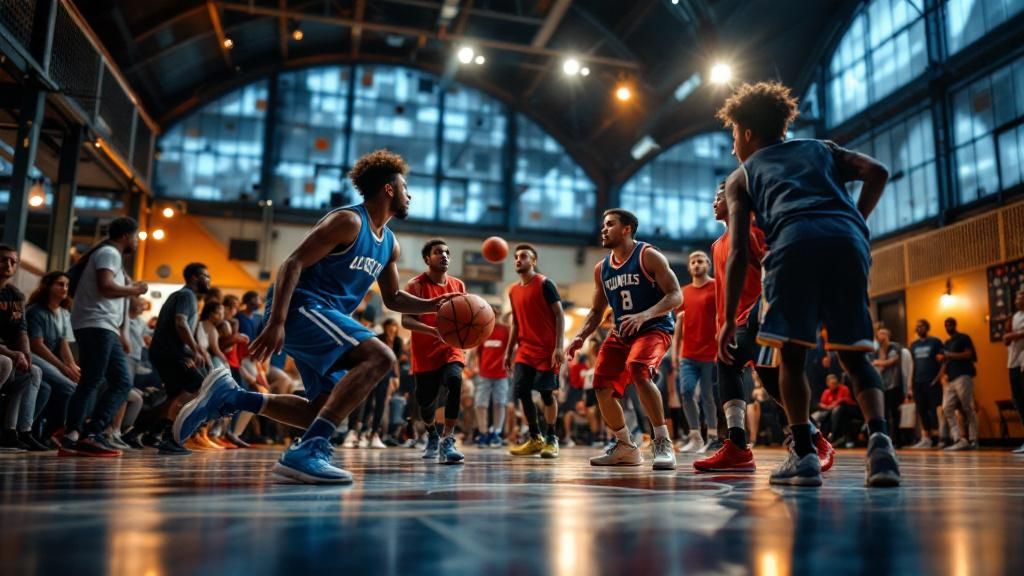
Basketball is transforming communities across Britain’s largest urban centres, with youth development programmes delivering transformative opportunities for thousands of young people. From Manchester to London, forward-thinking coaching schemes are not only nurturing athletic talent but also fostering social cohesion, supporting psychological wellbeing, and offering essential routes out of disadvantage. This article investigates how basketball bodies are using basketball’s worldwide reach to build stronger, more resilient communities, whilst providing the next generation with crucial life skills both on the court and beyond.
Establishing Strong Bases in Urban Areas
Urban communities across Britain are experiencing a significant transformation through strategically designed youth basketball programmes. These initiatives acknowledge that young people in urban areas often have limited access to quality sporting facilities and professional mentorship. By creating basketball courts in community centers, schools, and public areas, organisations are creating inclusive environments where talent can develop regardless of socioeconomic background. The programmes prioritise accessibility, ensuring that cost is no barrier to participation and that every young person receives equal opportunity to develop their skills and potential.
The basis laid by these programmes extend far beyond athletic development. Coaches and mentors engage directly with participants to foster discipline, teamwork, and resilience—qualities that become essential in ordinary circumstances. Basketball functions as a powerful vehicle for developing confidence in young people who may have previously felt marginalised or overlooked. Through organised training programmes, competitive fixtures, and strong community support, participants build a sense of belonging and purpose. These early interventions create lasting positive impacts, directing young people towards healthier lifestyles and away from negative patterns.
Community engagement continues to be central to programme success across major British cities. Local organisations collaborate with schools, youth services, and family support networks to spot and cultivate emerging talent. This comprehensive strategy ensures that basketball development programmes form a key part of neighbourhood infrastructure rather than separate schemes. Parents and guardians are directly engaged in their children’s sporting journeys, fostering family participation and strengthening community bonds. The programmes illustrate that supporting youth basketball creates positive impacts throughout entire communities, boosting social connection and collective wellbeing.
Evidence from participating cities reveals significant positive outcomes for young participants. Beyond improved physical fitness and athletic performance, participants report increased academic involvement, greater confidence, and stronger social connections. The programmes effectively span demographic divides, bringing together young people from varied communities united by their passion for basketball. This inclusivity cultivates reciprocal respect and comprehension, breaking down social obstacles that often characterise urban environments. By establishing these common spaces and shared experiences, basketball programmes become significant forces for constructive social transformation within Britain’s cities.
Success and Impact Throughout the United Kingdom
Youth basketball schemes have produced impressive outcomes across Britain’s key metropolitan areas, improving individual circumstances and strengthening community bonds. Participation numbers have increased substantially, with thousands of young people engaging in organised instruction and competitive play. Beyond athletic development, these programmes have evidenced measurable improvements in academic achievement, mental health outcomes, and social integration. Local communities report improved social cohesion and reduced antisocial behaviour amongst those involved, confirming the wide-ranging positive effects of sustained basketball engagement.
The Inner City Initiative
The London Basketball Development Project has become as a leading initiative, operating across multiple boroughs with specific emphasis on disadvantaged areas. Since its inception, the initiative has reached 3,000 young participants, providing complimentary training, equipment, and guidance programmes. The programme’s effectiveness comes from its comprehensive approach, merging academic support with physical development and establishing clear pathways for promising performers towards professional development and university scholarships.
Evaluations show that young people taking part exhibit markedly better attendance records and educational outcomes versus non-participants. Many young people attribute success to the programme in offering constructive examples and alternative pursuits to influences from the streets. Local schools and youth services note strengthened partnerships, enabling improved resource sharing and enhanced support networks for at-risk youth throughout London’s inner city areas.
Manchester and Birmingham Growth
Manchester’s basketball renaissance has been driven by committed local groups setting up community teams in underserved communities. The expansion strategy emphasises inclusivity, operating multiple venues and providing classes at different hours to suit different family situations. Over two years, the programme has engaged 2,500 active members, with particular success engaging girls and young women previously underrepresented in organised sports activities within these communities.
Birmingham’s matching expansion mirrors Manchester’s achievements, with newly developed basketball centres becoming vital community hubs. These programmes have successfully established employment opportunities for community coaches and supporting personnel, creating economic advantages alongside community impact. Both cities report sustained engagement retention rates above 80%, reflecting authentic grassroots support and the initiatives’ success in tackling local requirements through inclusive, culturally appropriate young person engagement strategies.
Upcoming Expansion and Prospects
The progression of young people’s basketball development schemes throughout British cities appears exceptionally positive, with considerable resources and increasing community involvement creating remarkable progress. Local councils, private backers, and community groups are partnering to expand facilities, build coaching provision, and establish sustainable funding models. As these programmes mature and show clear social benefits, stakeholders are growing more committed to expanding proven programmes, ensuring that basketball continues transforming lives in underresourced neighbourhoods nationwide.
Looking ahead, several key core focus areas will influence the sector’s evolution and effectiveness. Improved working relationships between schools, universities, and professional clubs are set to create seamless talent pathways whilst reinforcing community bonds. Digital transformation, better access for disabled participants, and culturally responsive initiatives represent exciting frontiers. Furthermore, research programmes documenting sustained results will enhance evidence frameworks, drawing in increased resources and policy backing for basketball’s vital role in youth development and community renewal across Britain.
- Enhancement of indoor and outdoor basketball facilities in disadvantaged neighbourhoods
- Establishment of coaching bursaries for emerging aspiring basketball talent
- Establishment of university and community collaborations strengthening talent pathways considerably
- Integration of mental wellbeing services throughout existing basketball development structures
- Implementation of inclusive programmes for disabled and marginalised young people
